

An Introduction to the Categories and Styles of Wooden Acoustic Panels
As a manufacturing enterprise with 21 years of experience producing wooden acoustic panels, CYATCO Acoustics provides an overview of available categories and styles, focusing on three key aspects: wood grain, style, and color palettes.
What styles can be created with wooden acoustic panels?
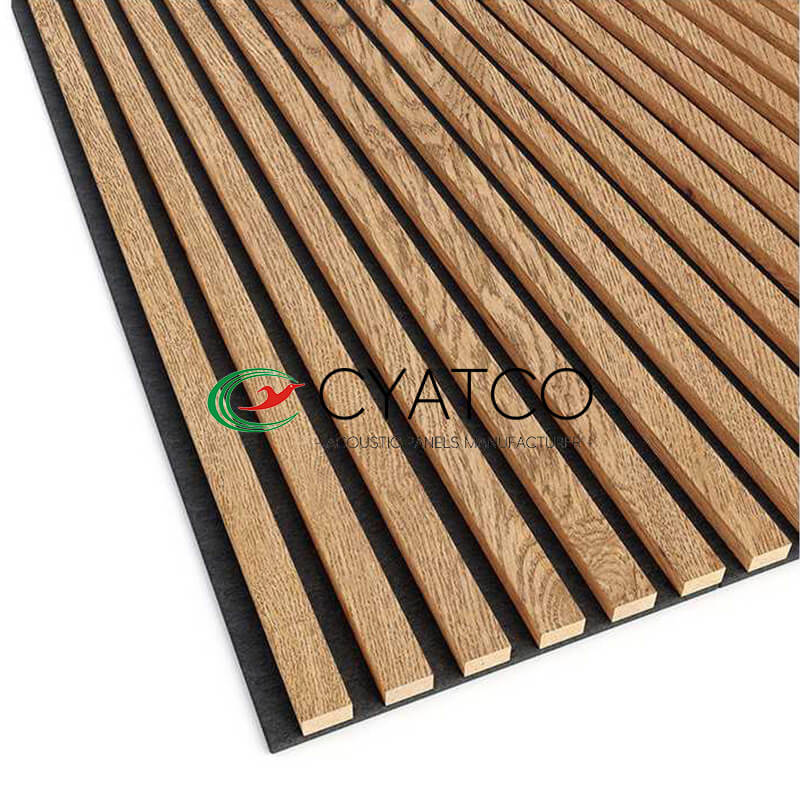
1. Wooden Slat Acoustic Panels: Aesthetic and Functional
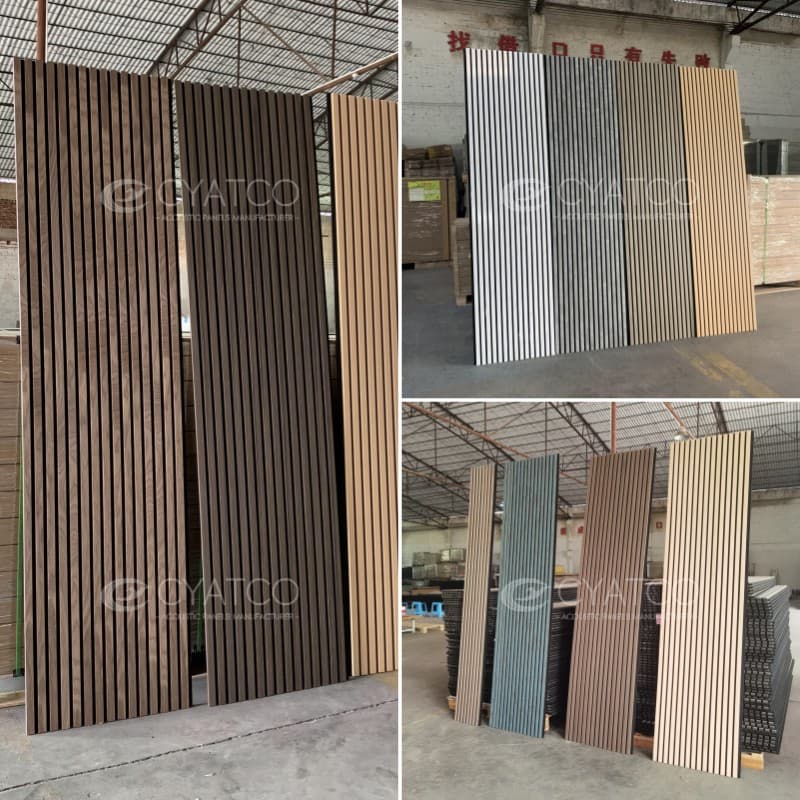
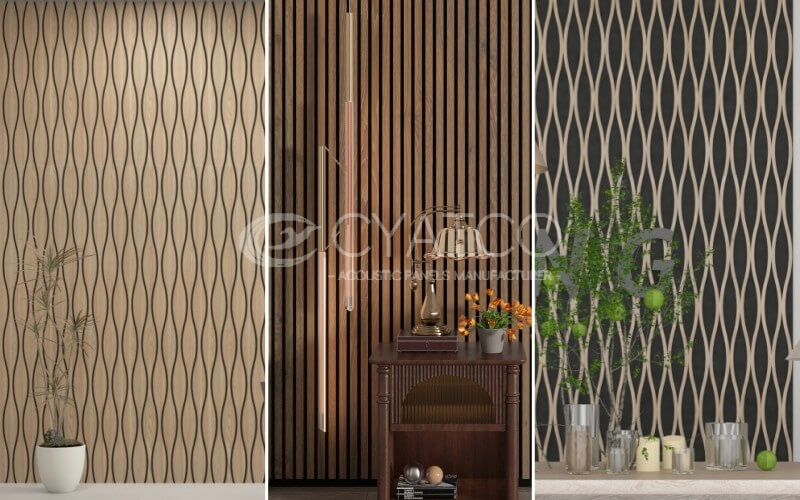
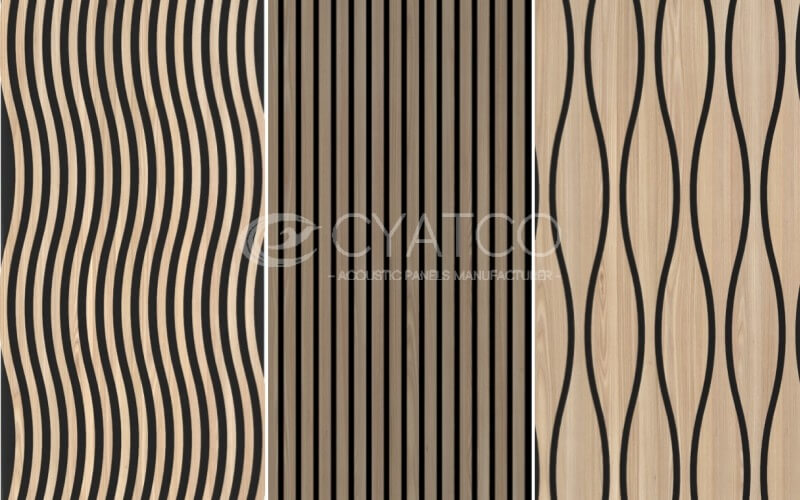
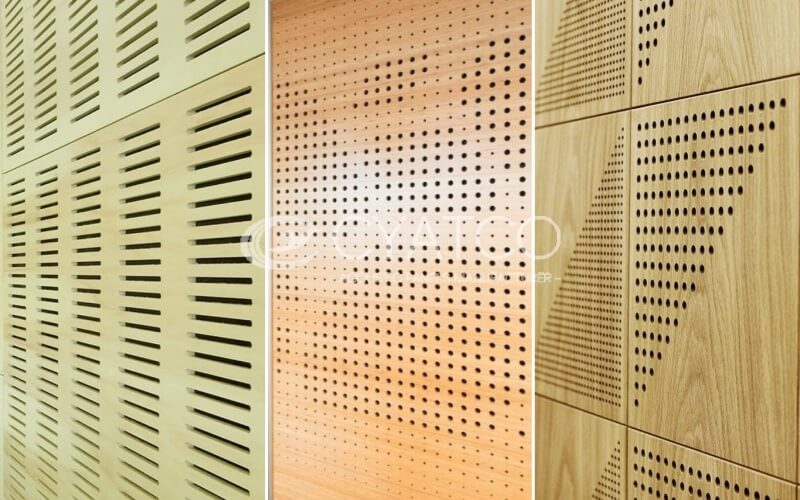
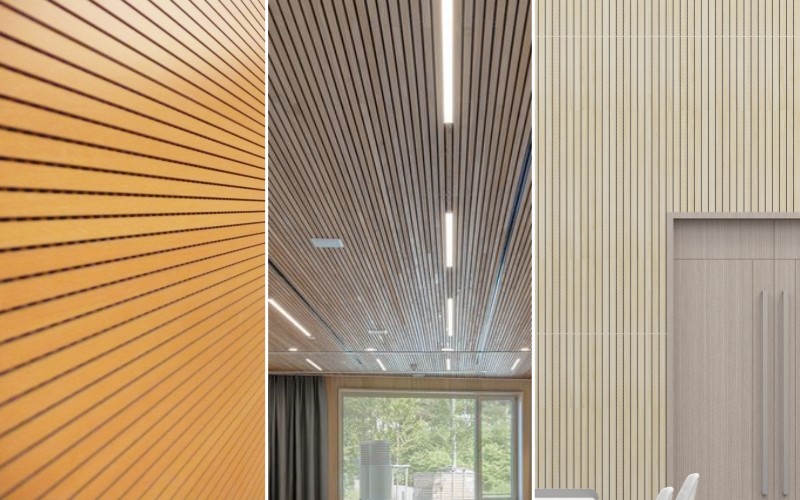
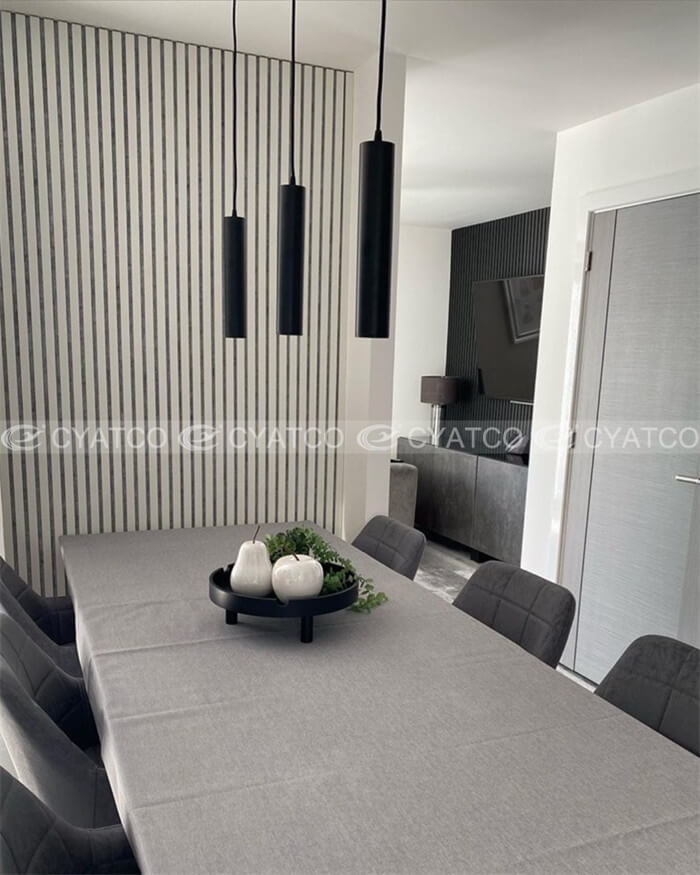
As a best-selling product in the European and American markets, wooden slat sound absorption panels, with their minimalist lines and natural wood texture, have become an ideal solution for balancing acoustic needs and decorative appeal in both residential and commercial spaces. They are commonly used in living room background walls, dining rooms, offices, or boutiques, which have high requirements for decoration.
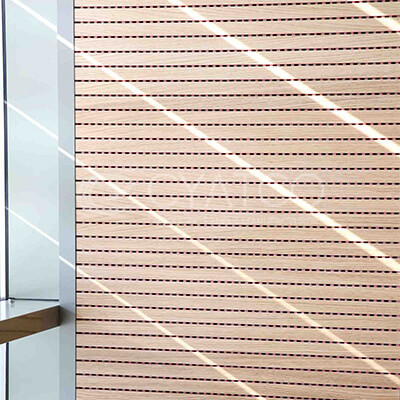
2. Perforated Wood Acoustic Panel: For Professional Acoustic Engineering
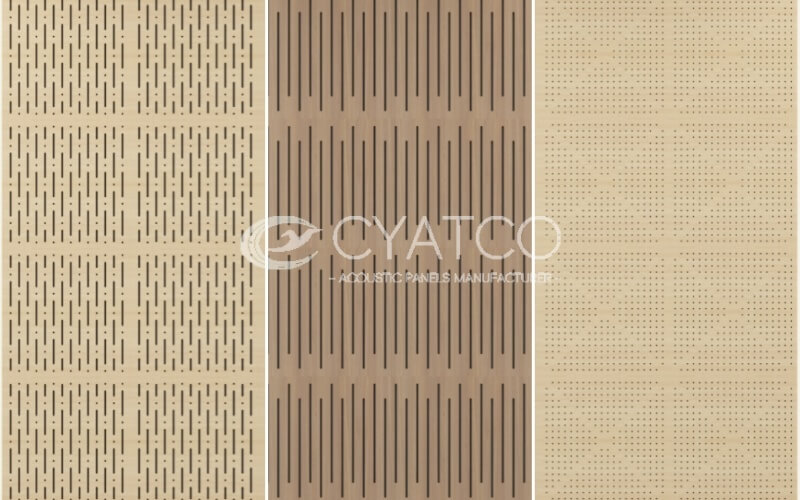
Designed specifically for professional acoustic scenarios such as lecture halls, meeting rooms, and music classrooms that require precise control of reverberation time. By adjusting the aperture size, perforation rate, and backing acoustic material, a customized acoustic curve from low frequencies to high frequencies can be achieved, particularly adept at addressing the issue of clear speech. Its surface is smooth, can be laid out over a large area, and can be seamlessly integrated with lighting and fire protection equipment. It is a reliable material for acoustic designers to achieve predictable and calculable acoustic effects.
3. Grooved Wood Acoustic Panels: An Economical and Efficient Solution for Large-Space Acoustic Control
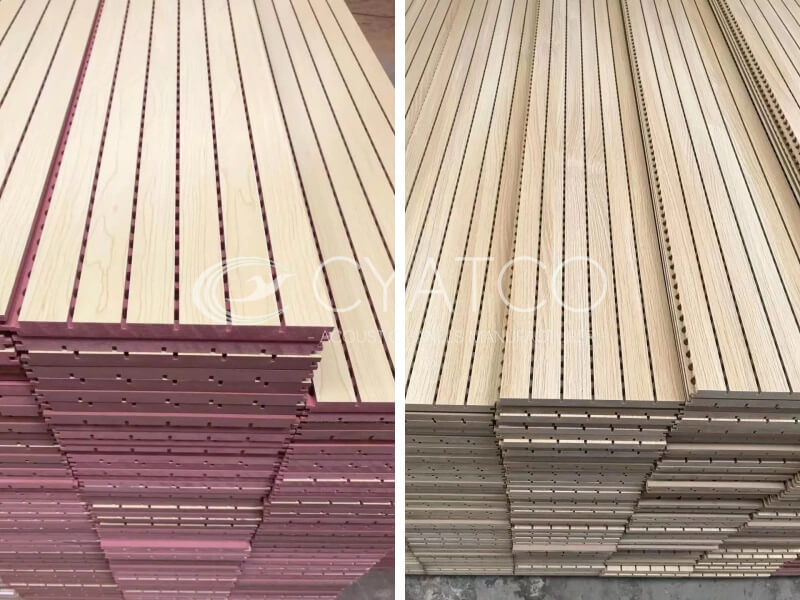
In large-scale, high-sound-pressure-level environments such as stadiums and sports venues, slot wood absorption panels offer stable broadband absorption performance due to their deep-slot structure. They are particularly effective in suppressing mid-low frequency noises (such as crowd noise and low-frequency audio), and compared to perforated panels, the slotting process of slot wood panels is more conducive to dust prevention, impact resistance, faster installation, and lower unit area cost. They are a classic choice for acoustic treatment of the walls in large public buildings.
-
What wood grain finishes are available for wooden acoustic panels?
The common wood grain patterns of wooden sound-absorbing panels include:
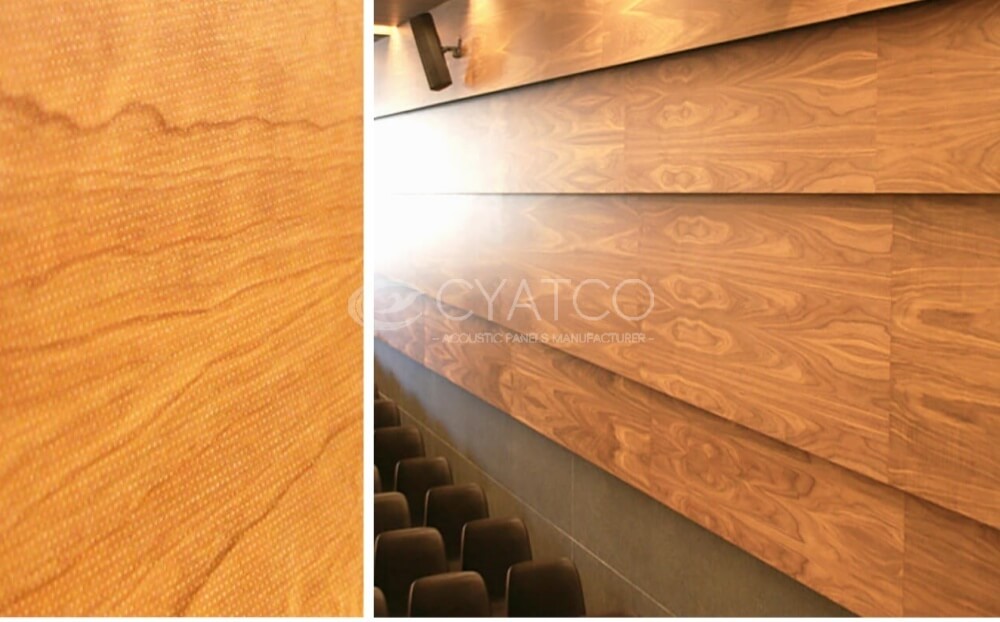
Straight Grain and Cathedral Grain. Both of these are basic and versatile wood grain patterns that can cover over 80% of regular design requirements. CYATCO can also customize special patterns such as Burl Grain and Ripple Grain according to customer requests.
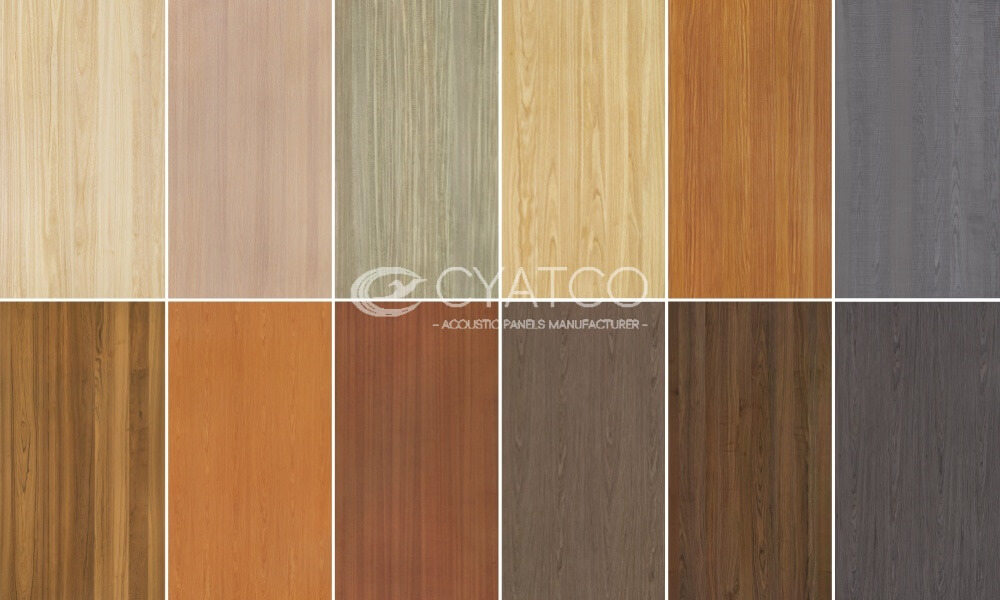
1. The straight grain lines are neat and evenly spaced, giving the space a sense of rationality and tranquility. They are particularly suitable for modern minimalist, Nordic, or office environments.
2. The cathedral grain pattern replicates the growth marks of trees in an inverted V shape or arch shape, giving a warmer and more vibrant appearance. It is a classic choice for American, rustic, or residential background wall designs.
3. Tree burl grain is formed due to abnormal cell proliferation in a specific area of the tree. The texture is complex, irregular, and highly dramatic, and each piece is unique. It is usually used in small areas for embellishing high-end spaces.
4. Ripple grain presents a continuous and undulating wave-like texture, featuring both a flowing dynamic and a warm, wooden quality. Its visual tension is moderate, being more diverse than straight grain and more modern than mountain grain.
-
What color palettes are available for wooden acoustic panels?
1. Light color scheme
Wooden wall panels featuring light colors such as white oak have high brightness and strong light reflection capabilities, which can visually widen and heighten the space. They are particularly suitable for smaller rooms or those with insufficient lighting (such as study rooms, secondary bedrooms, and compact living rooms). They can create a refreshing and natural atmosphere without making the space feel crowded. They are a practical choice that “makes the space appear larger and brighter”. Moreover, light colors have a high compatibility with Nordic style, modern minimalist style, and Japanese log style, and are unlikely to go out of fashion.
2. Neutral color scheme
Cherry wood, yellow oak, and other neutral colors fall between light and dark shades, with moderate color temperature. They do not require frequent cleaning to avoid discoloration like light-colored materials, nor do they make the space appear dimmer like dark-colored ones. They can almost coexist harmoniously with any floor, furniture, and wall colors, whether in a residential living room and dining room or in a commercial office or tea room. They are a “safe choice” that is unlikely to go wrong. For users who are trying wood wall panels for the first time, neutral colors are the most worthy starting point to consider.
3. Dark Colors
Dark colors such as black walnut and smoked oak exude a sense of stability and luxury, which can quickly enhance the texture and layering of a space. They are often used in large living rooms, private clubs, audio-visual rooms, or background walls of high-end hotels. However, it should be noted that dark colors absorb light, and in small spaces or on lower floors, they can make the room appear dim and oppressive. It is recommended to control the area of the flooring (such as using it only as a single-sided background wall) or combine it with sufficient lighting and light-colored soft furnishings to balance the light and dark contrast, so as to achieve a high-end look without compromising the space.
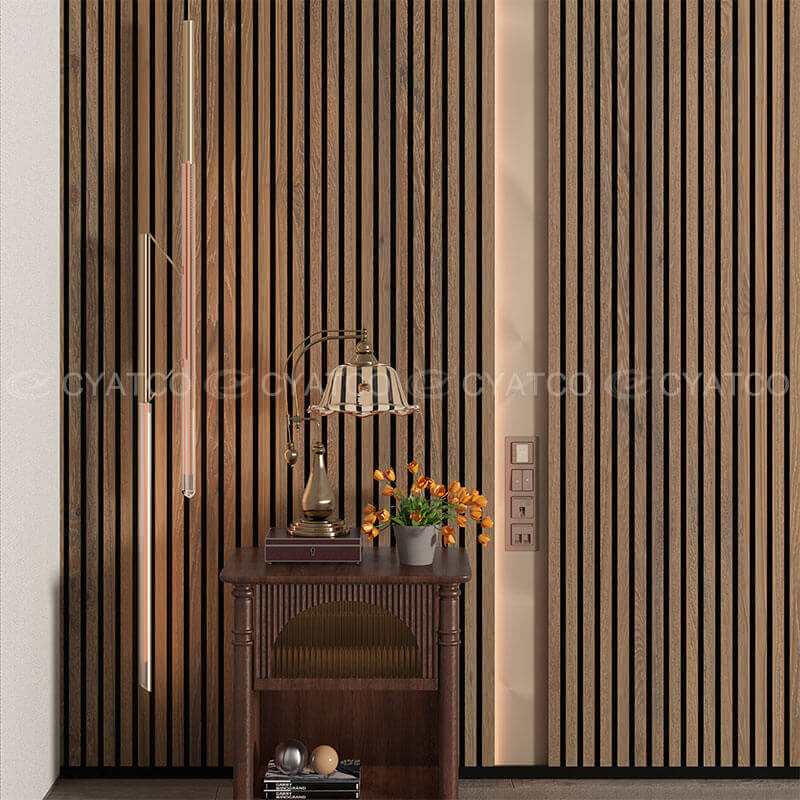
4. Special Color Schemes
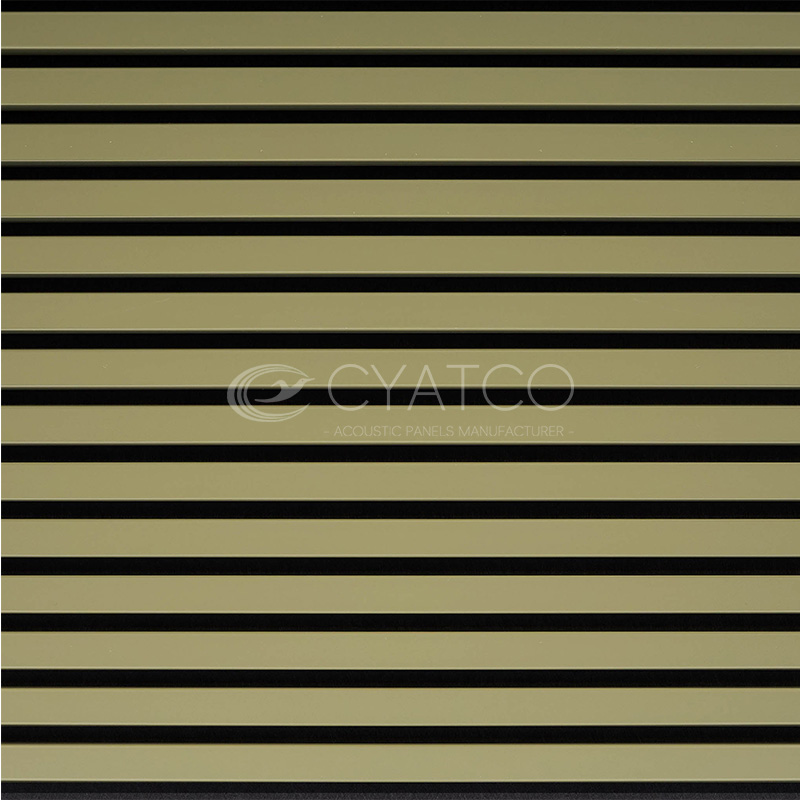
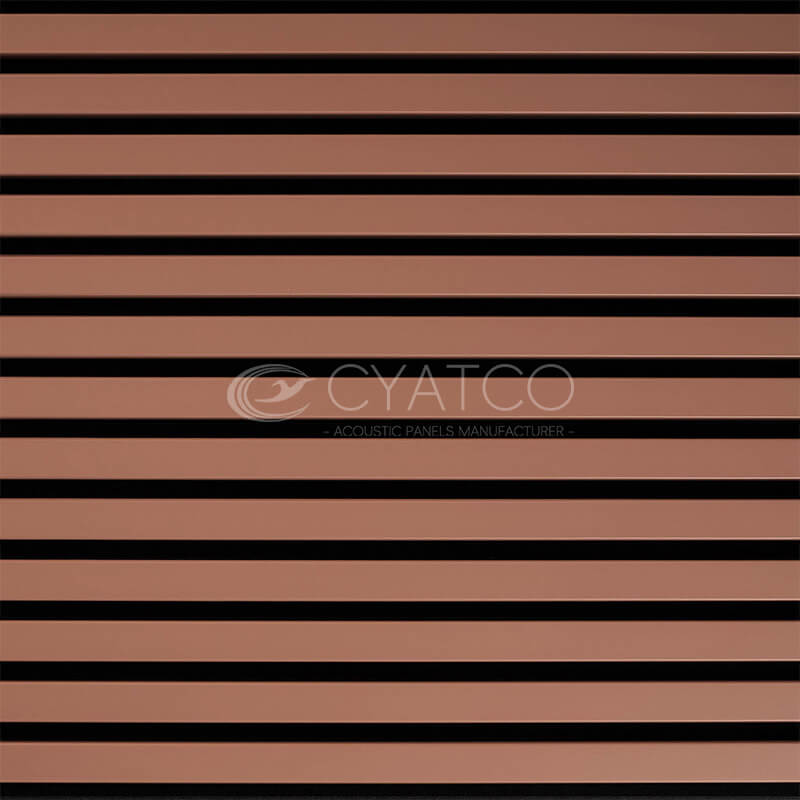
Special color schemes such as bronze, gray-green, and blue-gray are not the natural colors of wood. They are achieved through post-processing techniques such as surface coloring, smoking, and carbonization. The greatest advantage of these colors is that the range of options is far broader than that of natural wood colors – from the cold gray of industrial style to the dark green of retro style, almost any Pantone color code can be attempted. They are suitable for commercial spaces that require strong brand recognition, personalized expression, or a departure from the traditional wooden impression (such as streetwear stores, exhibition halls, and creative offices).
To be continued……